Revitalize Your Tennis Court Surface
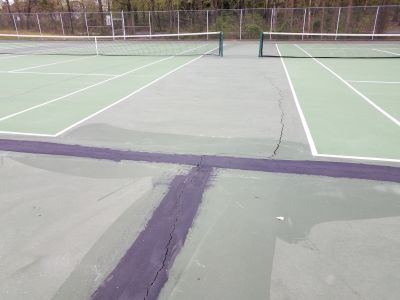
High-quality resurfacing enhances the durability and playability of tennis courts, providing a smooth and consistent surface for players.
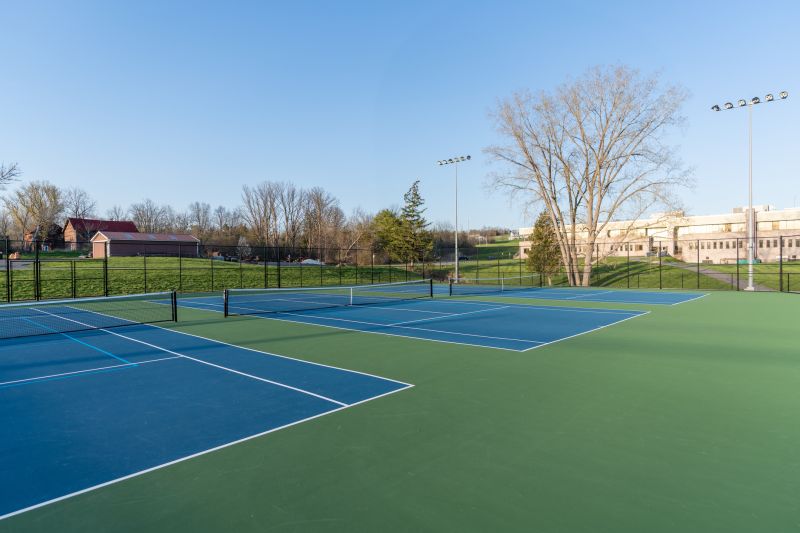
Restoring existing tennis courts with resurfacing extends their lifespan and improves safety standards for athletes.
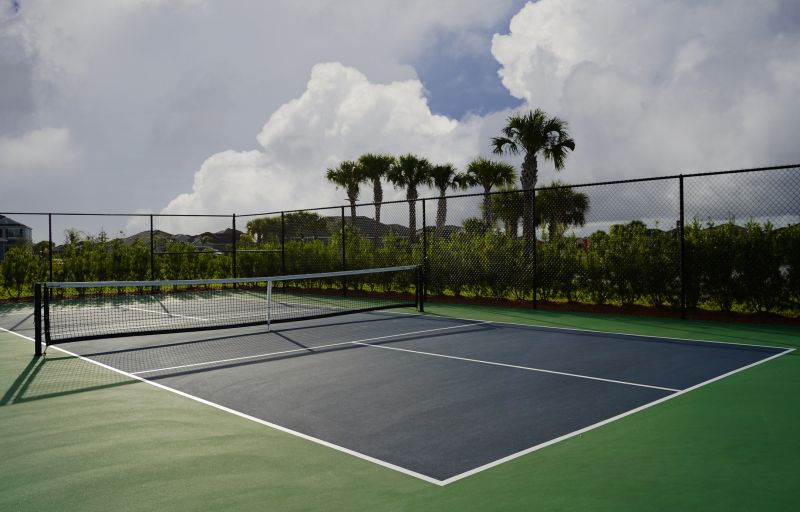
Various materials such as acrylic, rubber, and synthetic surfaces are available to meet different playing preferences and maintenance needs.
Tennis court resurfacings are essential for maintaining optimal playing conditions and safety. Over time, courts can develop cracks, uneven surfaces, and fading colors, which can impact gameplay and increase the risk of injuries. Regular resurfacing not only improves the aesthetic appeal but also ensures consistent ball bounce and player traction. The choice of surface material can influence the speed of play, ball behavior, and maintenance requirements, making it important to select the right option based on usage and climate conditions.
Statistics indicate that properly resurfaced tennis courts can significantly extend their functional lifespan, often by several years, while reducing long-term repair costs. The process involves thorough cleaning, crack repairs, applying new surface layers, and curing time, which can vary based on the court size and material used. Professional resurfacing ensures that each step is executed correctly, resulting in a durable and high-performing court.
How Long Does Professional Tennis Court Resurfacing Take?
The duration of a tennis court resurfacing project depends on the size of the court and the type of surface chosen. Typically, a professional team can complete the process within 2 to 5 days. This includes surface preparation, crack repairs, application of new layers, and curing time. Proper planning and execution are vital to minimize disruption and ensure a high-quality finish.
Resurfacing Process Overview
The resurfacing process begins with cleaning and inspecting the existing court for cracks or damage. Repairs are then made to ensure a smooth foundation. Next, a primer may be applied to improve adhesion, followed by the application of the new surface layer. Depending on the chosen material, additional coats or textures may be added. The process concludes with curing and finishing touches to guarantee a uniform and durable surface.
Benefits of Hiring a Professional for Tennis Court Resurfacing
Engaging experienced professionals ensures that the resurfacing project adheres to industry standards, resulting in a reliable and high-performance court. Professionals have access to quality materials and specialized equipment, enabling precise application and finishing. Proper resurfacing reduces the likelihood of future repairs, saving time and costs. Additionally, a professional team can complete the work efficiently, minimizing court downtime.

A freshly resurfaced tennis court with vibrant colors and smooth texture, ready for play.
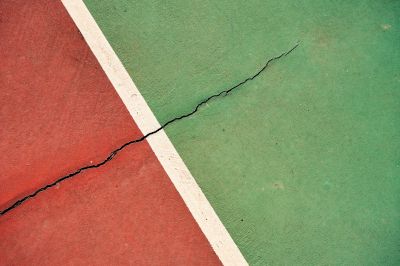
Specialized machinery applied for even coating and surface preparation during resurfacing.
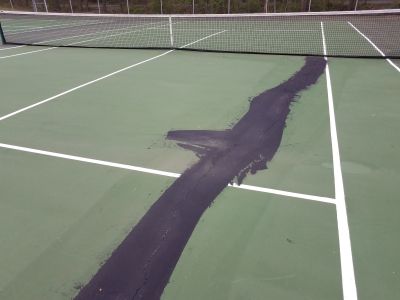
Final quality check to ensure uniformity, safety, and optimal ball bounce.
Proper resurfacing not only enhances the visual appeal of tennis courts but also improves gameplay consistency and safety. It is advisable to schedule regular maintenance and resurfacing to preserve the court's quality and extend its lifespan. Interested parties are encouraged to contact for a detailed quote and consultation tailored to specific court needs.