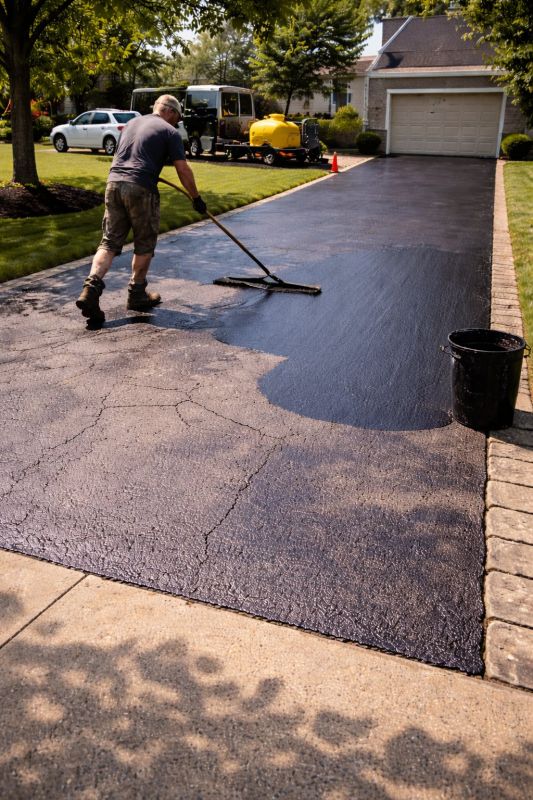
Residential Asphalt Sealing in Denver, CO
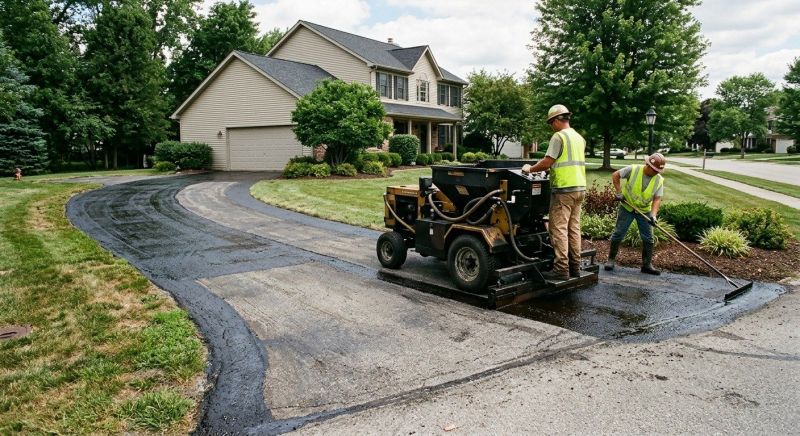
Residential asphalt sealing services involve applying a protective coating to asphalt driveways, walkways, and parking areas to help extend their lifespan and maintain their appearance. This process is typically requested for projects such as sealing residential driveways, sidewalks, and small parking areas, providing a barrier against water penetration, UV damage, and everyday wear. Homeowners often want to understand how sealing can improve curb appeal, prevent cracks, and reduce the need for costly repairs over time.
Before requesting asphalt sealing, property owners usually seek information about the best timing for application, the condition of the existing asphalt surface, and the type of sealant used. It’s important to ensure that the surface is clean and free of debris before sealing begins, and to know whether any repairs are needed beforehand. Properly sealed asphalt can enhance the durability of the surface while maintaining a clean, finished look for residential properties.
Many property owners in Denver, CO look into Residential Asphalt Sealing for repairs, replacements, upgrades, and appearance-related improvements.
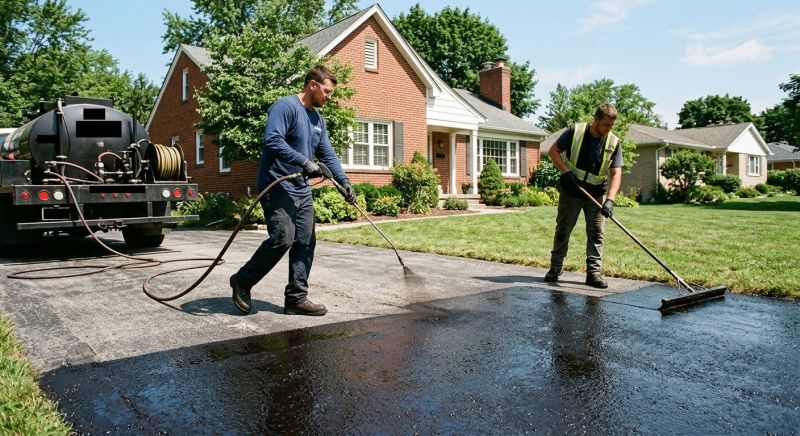
Protecting Driveways And Parking Areas
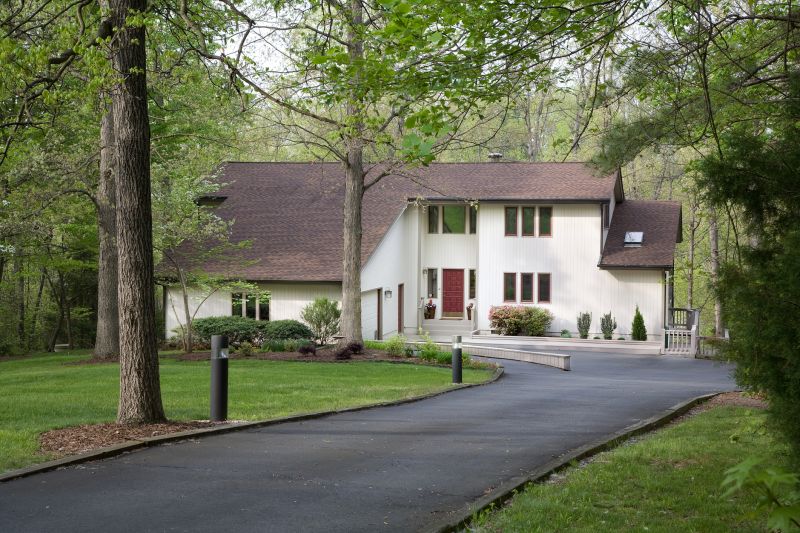
Sealing asphalt helps prevent cracks and extends the lifespan of residential surfaces in denver neighborhoods.
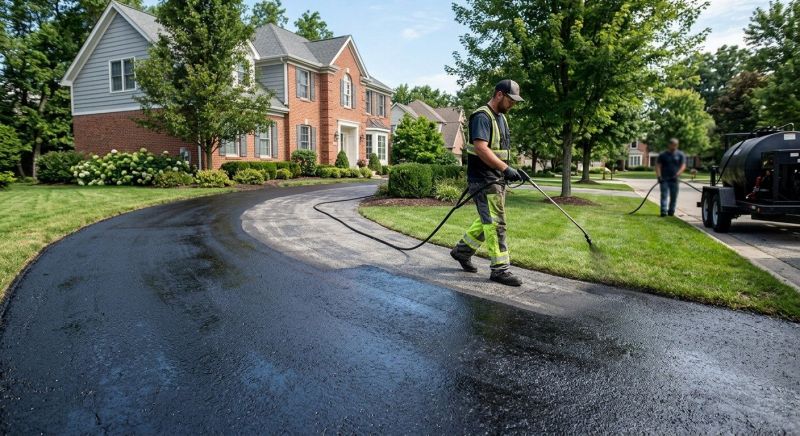
Enhancing Curb Appeal
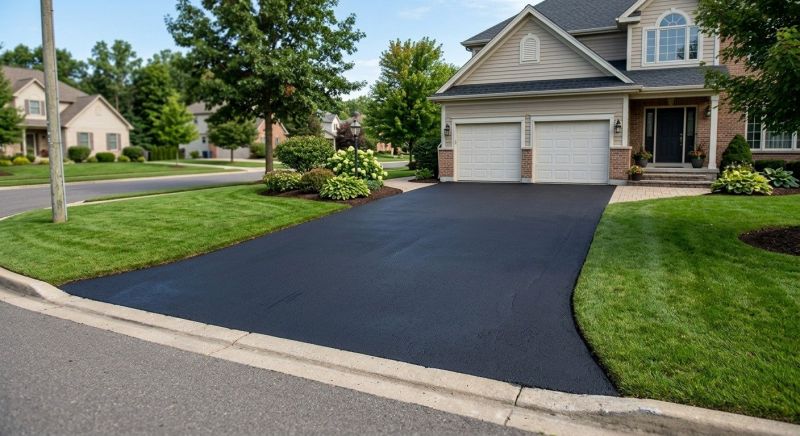
A fresh seal coat can improve the appearance of residential asphalt surfaces, making properties more inviting.
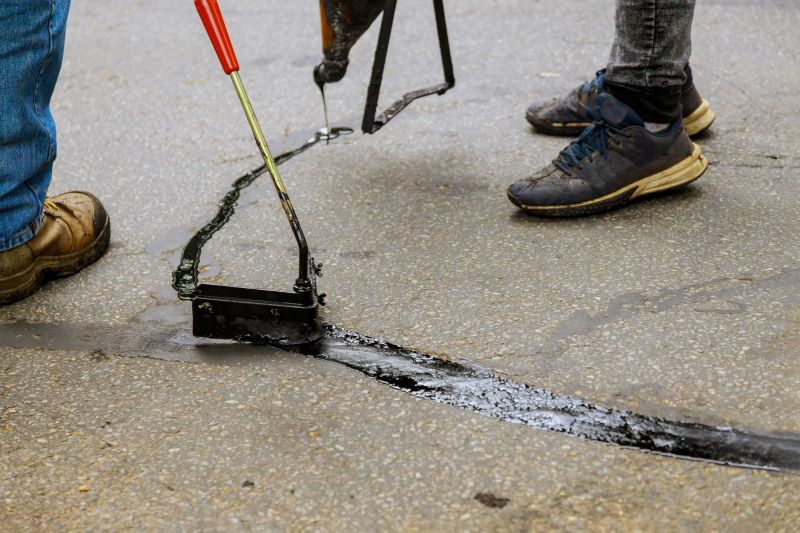
Maintaining Safe Surfaces
Proper sealing reduces surface deterioration and provides a safer, skid-resistant area for family and visitors.
Residential Asphalt Sealing in Denver, CO

Residential asphalt sealing services involve applying a protective coating to asphalt driveways, walkways, and parking areas to help extend their lifespan and maintain their appearance. This process is typically requested for projects such as sealing residential driveways, sidewalks, and small parking areas, providing a barrier against water penetration, UV damage, and everyday wear. Homeowners often want to understand how sealing can improve curb appeal, prevent cracks, and reduce the need for costly repairs over time.
Before requesting asphalt sealing, property owners usually seek information about the best timing for application, the condition of the existing asphalt surface, and the type of sealant used. It’s important to ensure that the surface is clean and free of debris before sealing begins, and to know whether any repairs are needed beforehand. Properly sealed asphalt can enhance the durability of the surface while maintaining a clean, finished look for residential properties.
Many property owners in Denver, CO look into Residential Asphalt Sealing for repairs, replacements, upgrades, and appearance-related improvements.
Common Residential Asphalt Sealing Jobs
Driveway sealing - protects asphalt surfaces from weather damage and extends lifespan.
Parking area sealing - maintains a professional appearance and prevents surface deterioration.
Residential lot sealing - helps preserve the integrity of large paved areas around homes.
Pathway sealing - enhances curb appeal while reducing cracking and surface wear.
Garage apron sealing - prevents water infiltration and keeps the area looking clean.
Walkway sealing - provides a smooth, durable surface for foot traffic around the property.
Residential Asphalt Sealing Questions
What is asphalt sealing? Asphalt sealing involves applying a protective coating to the surface to help prevent damage from weather and traffic.
Why should homeowners consider asphalt sealing? Sealing can extend the lifespan of the driveway and improve its appearance by providing a smooth, uniform finish.
What types of projects benefit from asphalt sealing? Driveways, parking areas, and residential pathways are common projects that benefit from sealing services.
How often should asphalt be sealed? Typically, asphalt should be resealed every 2 to 3 years to maintain protection and appearance.
Request Residential Asphalt Sealing in Denver, CO
Use the quote form on this page to share the basics of your project and request more information for the type of work you need.